
High-speed optical transceivers have become a critical component of modern high-speed interconnect infrastructure. As AI computing clusters, High-Performance Computing (HPC) systems, and AI Data Centers (AIDCs) continue to increase in scale and bandwidth requirements, selecting the right optical transceiver is no longer simply a matter of matching transmission speed.
The right solution can improve network stability, reduce operational risks, and lower long-term maintenance costs. The wrong choice, however, may result in compatibility issues, excessive power consumption, thermal challenges, unstable latency, or reduced system reliability.
When evaluating optical transceivers, many buyers focus primarily on basic factors such as connectivity, compatibility, bandwidth performance, or insertion and removal durability. While these are important, a reliable selection process should consider the entire optical interconnect system.
This guide explains the four key factors to consider when selecting high-speed optical transceivers for AI, HPC, and data center networks.
1. Start with the Basic Selection Requirements
The first step in selecting an optical transceiver is ensuring that the product matches the fundamental requirements of the network architecture.
The most important factors include:
- Transmission distance
- Connector type
- Form factor
- Equipment port compatibility
Transmission Distance
Transmission distance should match the physical layout of the network.
Within 50 meters
Short-reach optical interconnects are commonly used for:
- Connections within a single equipment rack
- Interconnections between nearby racks
- High-density server and switch environments
From 100 meters to 2 kilometers
This range is typically suitable for:
- Interconnections between different data center zones
- Connections between floors or buildings
- Campus network deployments
10 kilometers and beyond
Longer transmission distances are generally required for:
- Inter-data-center connectivity
- Metropolitan area networks
- Distributed computing infrastructure
Selecting an optical transceiver with the appropriate transmission distance helps avoid unnecessary costs while ensuring stable network performance.
Connector Type
Connector selection affects port density, cable management, and deployment efficiency.
Common connector types include:
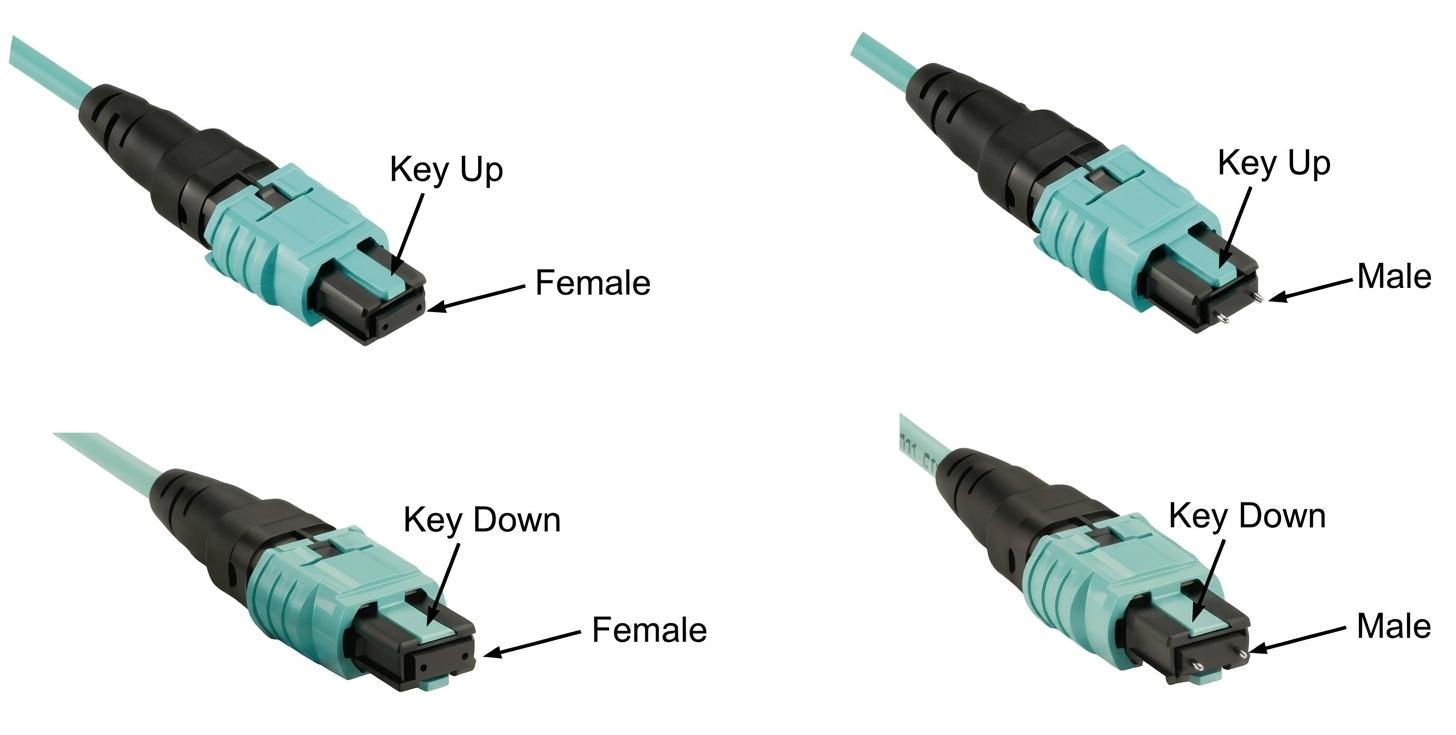
- Dual MTP/MPO-12 APC or UPC connectors
- LC Duplex APC or UPC connectors
- MTP/MPO-16 APC or UPC connectors
As network bandwidth and port density continue to increase, new connector technologies are also becoming more important.
Multi-Core Fiber (MCF) LC Connectors
Multi-core fiber technology can integrate multiple cores into a single optical fiber, potentially increasing fiber and port density.
MMC Connectors
MMC connectors combine smaller MT-type ferrules with Very Small Form Factor (VSFF) connector designs to support high-density optical connections with low insertion loss.
Form Factor
When selecting a connector type, buyers should consider current network requirements as well as future scalability.
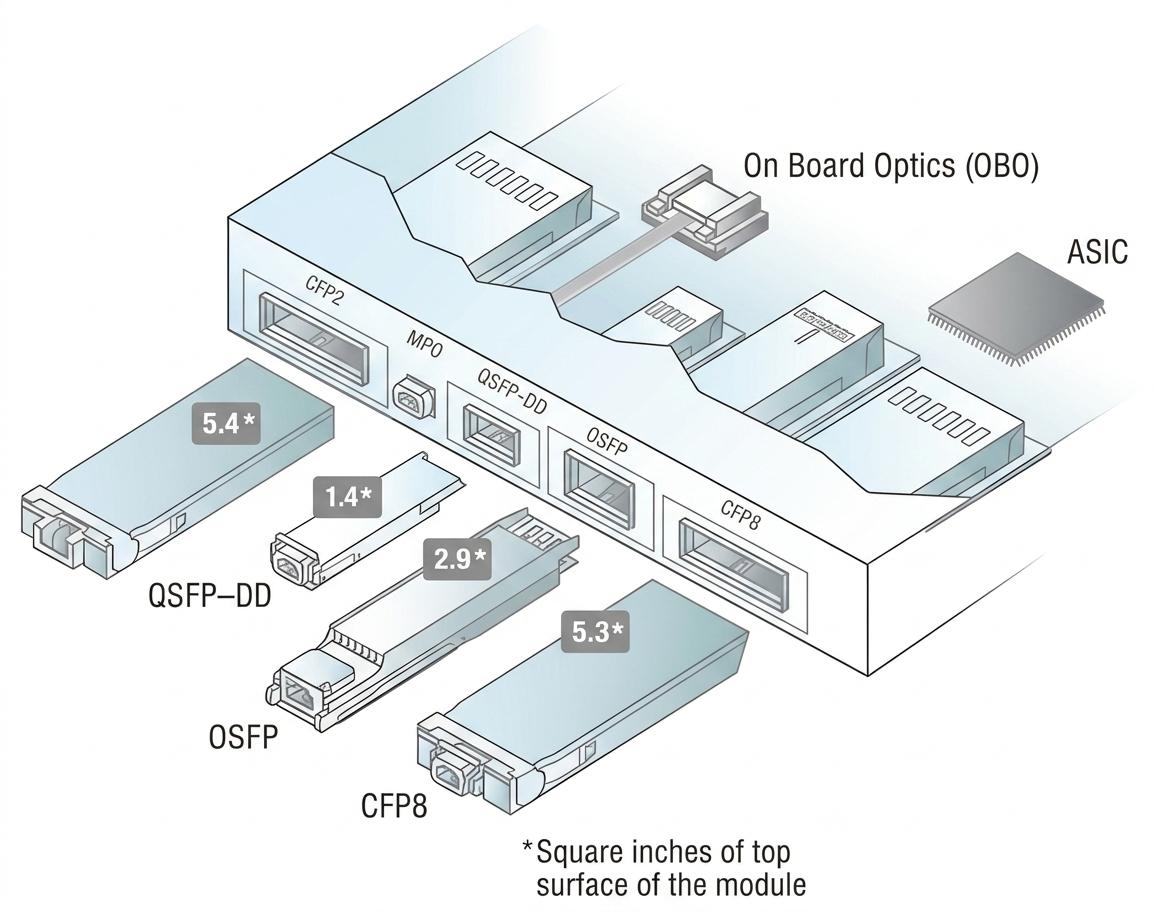
The form factor must be compatible with the switch, network interface card, or other equipment ports.
Common form factors include:
200G Optical Transceivers
- QSFP56
- OSFP
400G Optical Transceivers
- QSFP-DD
- QSFP112
- OSFP
800G and 1.6T Optical Transceivers
- QSFP-DD
- QSFP-DD224
- OSFP
Before purchasing, always confirm both the supported transmission rate and the physical form factor required by the host equipment